Case studies
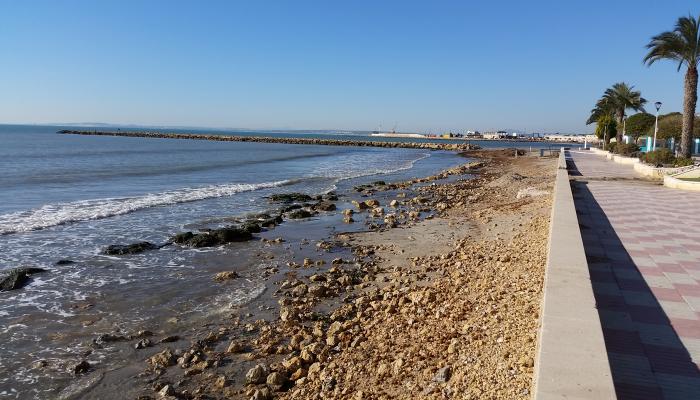
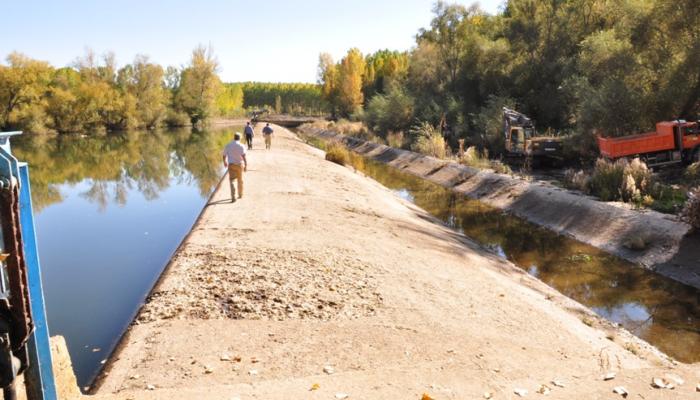
An increasing number of experiences, initiatives and projects aimed at developing and implementing specific actions to adapt to climate change. In this module you will be able to explore practical cases on adaptation developed in different territories of Spain and implemented by Public Administrations, private sector entities, organisations, and other actors. On the other hand, you will also be able to consult and access the case studies included in the European Climate-ADAPT Platform. Here you can find more information about this functionality and the connection with Climate-ADAPT.
Furthermore, in this publication you can find a selection of adaptation case studies with some of the most representative practices.
Note: The views and documentation provided in the case studies are the sole responsibility of the author(s) of the case studies.
Furthermore, in this publication you can find a selection of adaptation case studies with some of the most representative practices.
Note: The views and documentation provided in the case studies are the sole responsibility of the author(s) of the case studies.